
Proper margins and spacing can make handwritten assignments look clean, organized, and easier to read. You don’t need an elaborate design—simple consistency is usually enough.
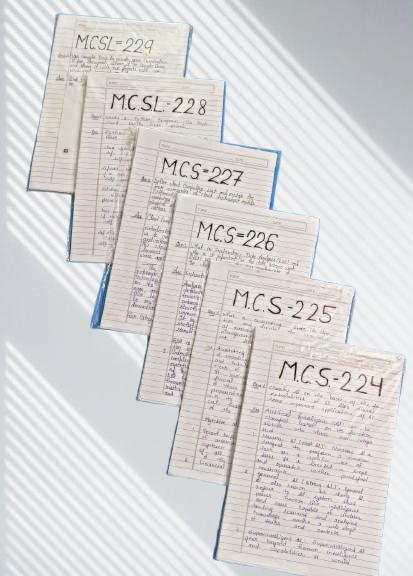
How to Organize Margins and Spacing
1. Maintain Consistent Margins
Keep a reasonable margin around the page. If your institution provides specific margin instructions, follow those requirements.
2. Leave Space Between Paragraphs
Avoid writing every paragraph continuously. A small, consistent gap can make different ideas easier to distinguish.
3. Keep Line Spacing Comfortable
Don’t squeeze too many lines onto a page. Leave enough space for comfortable reading.
4. Separate Headings Clearly
Leave appropriate space before headings and between a heading and the following text.
5. Avoid Overcrowding
If a page becomes too crowded, organize the content rather than trying to fit every word into a limited space.
6. Stay Consistent
Once you establish a spacing and margin pattern, try to maintain it throughout the assignment.
Simple Layout Formula
Margins → Line Spacing → Paragraph Gaps → Clear Headings → Consistent Layout
Quick Tip
Before starting a long assignment, decide how you will handle margins, headings, paragraphs, and spacing. Following the same pattern throughout can make the finished work look more organized.
FAQ
Q. How wide should the margins be?
There is no single universal measurement. Follow your institution’s current instructions whenever specific requirements are provided.
Q. Should I leave a blank line after every paragraph?
Not necessarily. Use a consistent spacing method that keeps the content easy to read.
Q. Can margins and spacing guarantee better marks?
No. Good presentation may support readability, but it cannot guarantee a particular academic score.
Disclaimer
This content is provided for general educational guidance. Formatting and submission requirements may differ by institution, programme, and course. Always follow the latest official instructions applicable to your assignment. This guidance does not guarantee any particular academic result.